A resort-style backyard in Arcadia should feel relaxed, polished, and easy to live with on an ordinary Tuesday, not just on the day the project wraps. That distinction matters. I have seen plenty of outdoor spaces that look dramatic in photos but fall apart in real use. The paving gets too hot, the plant palette drinks too much water, the furniture layout ignores afternoon sun, and the pool or spa dominates the yard without leaving space for conversation or kids to move around.
Arcadia has its own design logic. Homes here often sit on generous lots, and many owners want the same thing: a backyard that feels private, elevated, and genuinely connected to the house. They also want it to hold up through long dry periods, summer heat, Santa Ana winds, and the practical demands of maintenance. That is why the best outdoor living ideas for Southern California properties always balance beauty with climate, comfort, and restraint.
A true resort feel is not about copying a hotel courtyard. It is about making the space flow so naturally that every area feels intentional, from the first view out the back door to the last path light turning on at dusk.
Start with the experience, not the features
When homeowners begin planning a complete backyard renovation in Arcadia, they often start with a wish list: pool, fire pit, barbecue, pergola, outdoor shower, water feature, citrus trees, and maybe a putting green. There is nothing wrong with ambition, but resort-style design works best when the experience leads and the features follow.
Think about how you want the yard to feel at three moments: a quiet morning coffee, a casual family dinner, and a Saturday evening with friends. Those moments reveal more than a feature list ever will. A morning space may need eastern light and a little wind protection. A dinner area needs comfortable circulation between the kitchen and grill, along with enough shade to make summer meals pleasant. Entertaining spaces need visual anchors, but they also need people to hear each other without sitting next to pool equipment or a noisy spillway.
One of the most common landscaping mistakes homeowners make in Arcadia is overbuilding every square foot. landscaping guide The yard Expert landscapers in Arcadia California gets crowded with hardscape and disconnected amenities. Resort spaces feel open because they are edited. They use proportion well. They let the eye rest. They make room for planting, negative space, and calm.
Read the site like a designer would
Before any drawings begin, spend time understanding the property. Arcadia lots vary, but several site conditions show up again and again: strong western sun, pockets of heavy heat near masonry walls, mature trees worth preserving, and houses that open to the yard through broad glass doors or traditional patios.
A site walk should answer practical questions. Where does the afternoon sun hit hardest in August? Where does water collect after irrigation or rain? Which windows need privacy screening? What views deserve framing, and which ones should be softened with planting? Even a luxury outdoor living space in Arcadia can feel uncomfortable if these basics are ignored.
Grade matters more than many people realize. Small elevation changes affect drainage, retaining walls, steps, and accessibility. If you are planning a pool, outdoor kitchen, or substantial paving, grading decisions often shape the entire budget. It is far easier to solve these issues on paper than halfway through construction.
This stage is also where realistic water planning begins. Because California homeowners are very conscious of water usage, drought-related topics are not a side note anymore. They influence turf decisions, irrigation zoning, plant selection, mulch depth, and even how much exposed hardscape you want reflecting heat back into the yard.
The backbone of a resort yard is layout
The best complete backyard makeover inspiration usually comes down to smart zoning. You do not need a huge estate to create a layered, resort-like plan. You need clear relationships between spaces.
In Arcadia, I often recommend thinking in four zones: arrival and first view, social space, retreat space, and garden structure. The arrival and first view is what you see from the house. This area should feel composed and uncluttered. Social space might include dining, grilling, lounging, and pool access. Retreat space is quieter, perhaps with a pair of chaise lounges, a small fountain, or a shaded bench tucked behind planting. Garden structure is everything that gives the yard depth, including specimen trees, hedges, decomposed granite paths, or raised planters.
The trick is to avoid making every zone equally loud. If the dining terrace has a fireplace, bold paving, large planters, and string lights, then the nearby lounging space should be quieter. A resort mood comes from contrast. One area energizes, another calms.
This is where modern landscape design inspiration for Arcadia homes often gets misread. Modern does not mean empty or severe. It means disciplined. Clean lines, limited materials, and thoughtful planting can still feel warm if scale and texture are handled well.
Shade is what makes luxury usable
People tend to focus on finishes first, but in Southern California, shade often matters more than the tile color or coping edge. A stunning patio that bakes from noon to five is not a luxury space. It is a photo opportunity with poor follow-through.
Permanent shade structures usually offer the best long-term comfort. That can mean a solid patio cover, a slatted pergola with vines, a pavilion, or a carefully placed row of trees. Retractable shades and large umbrellas help, especially where flexibility is useful, but they work best as secondary measures.
I remember a project where the homeowners wanted a sleek lounge terrace beside the pool with pale stone pavers and low-profile furniture. On paper it looked beautiful. On site, the western exposure was brutal. By late afternoon the stone radiated heat, the seating was exposed, and nobody used it. We revised the plan by adding a sculptural shade structure and shifting the lounge orientation. Same materials, same aesthetic, completely different result.
If your goal is a resort-style outdoor living space, prioritize shade early. It affects comfort, planting, upholstery durability, and even how the yard photographs in the late day light.
Water-wise design can still feel lush
There is a persistent myth that drought-tolerant landscaping for Southern California has to look spare, gravel-heavy, or a little severe. That is outdated. The best water-wise landscape design ideas create richness through layering, texture, and seasonal variation rather than thirsty lawn and high-demand flowers.
Native California plants that thrive in Arcadia, along with climate-adapted Mediterranean and Australian species, can create a surprisingly refined palette. Manzanita, ceanothus, salvia, deer grass, toyon, and island snapdragon all have a place, depending on exposure and style. Olive trees, strawberry trees, westringia, lavender, and rosemary often fit beautifully in more formal or transitional landscapes. The key is to group plants by water needs and mature size, not just by appearance at the nursery.
Xeriscaping for California homes does not mean filling the yard with rock and cactus unless that is the look you genuinely want. Good xeriscaping uses the right plant in the right place, improves soil where needed, minimizes turf, and relies on efficient irrigation. It also pays attention to microclimates. A protected courtyard near the house can support a different palette than a hot parkway edge or a reflected-heat wall.
Mulch deserves more respect than it gets. Choosing the right mulch for dry climates helps regulate soil temperature, reduce evaporation, suppress weeds, and improve the finished appearance of planting beds. In most Arcadia gardens, a natural shredded bark or medium walk-on bark works well in planted areas, while gravel mulch can be useful in modern designs or around succulents if drainage is good. The wrong mulch can create problems, especially if it is too fine and blows around, or too decorative and traps heat.
Pools, spas, and water features need restraint
A pool can absolutely anchor a resort-style yard, but it should not overpower everything around it. In Arcadia, where many homes have the square footage to support ambitious outdoor programs, restraint becomes more important, not less.
A pool works best when its shape supports circulation and leaves enough deck space for actual use. I have seen too many pools sized for drama rather than comfort, with narrow strips of coping and nowhere to place a chaise lounge without blocking a walkway. Think about how many people will truly use the pool at once, whether you want sun shelf seating, and how visible the water should be from inside the home.
Spas can feel more integrated when they are connected visually to the pool but set at a slightly different level or in a more private corner. Water features should be chosen with sound in mind. A soft sheet flow or a subtle bubbler can bring calm. A loud cascade right outside a bedroom window tends to lose its charm quickly.
If water conservation is top of mind, ask hard questions about evaporation and maintenance. Vanishing edges and wide shallow surfaces can be beautiful, but they may not always align with a water-wise approach. There are trade-offs in every design decision.
Outdoor kitchens should work like real kitchens
One of the fastest ways to make a backyard feel expensive is also one of the easiest ways to waste money: building an oversized outdoor kitchen that nobody actually uses. Resort living is less about cramming in appliances and more about making outdoor cooking seamless.
For most Arcadia homeowners, a built-in grill, prep space, refrigeration, storage, task lighting, and nearby seating are the essentials. If you host large gatherings often, then a sink, ice maker, warming drawer, or pizza oven might make sense. If you mostly grill on weekends, a simpler arrangement often performs better and costs less to maintain.
Material choices matter here. Counters should tolerate sun and heat. Cabinetry must handle exposure. Flooring needs slip resistance near both cooking and pool zones. And ventilation is non-negotiable if the kitchen sits under a roof or pergola.
The relationship to the indoor kitchen matters just as much. If every plate, condiment, and serving tray requires a long walk through several doorways, the outdoor kitchen will not feel effortless. Resort spaces succeed because they reduce friction.
The details that create a high-end feel
Luxury is often communicated through quiet decisions rather than flashy ones. The grout line is straight. The lighting is warm, not blue-white. Drainage disappears into the design. Plant masses are repeated with confidence instead of assembled one gallon at a time like a patchwork.
These details consistently elevate a backyard:
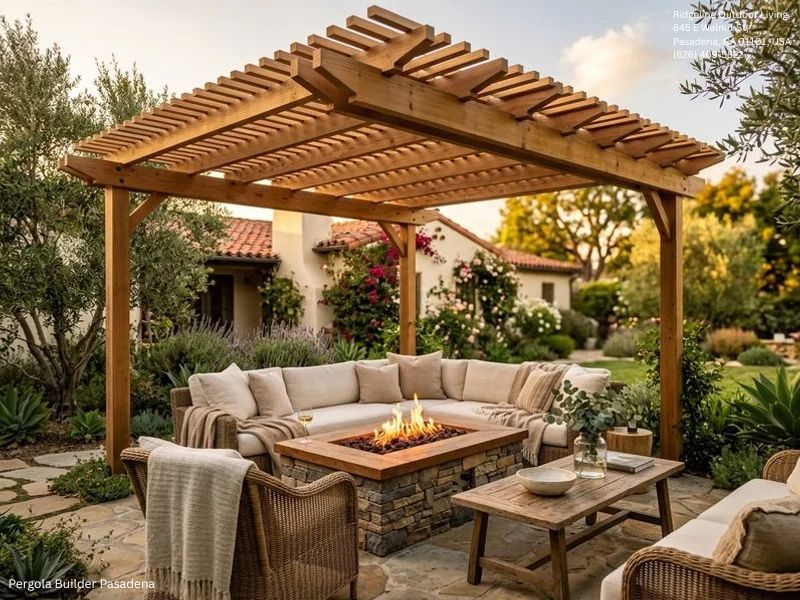
- A limited material palette, usually two or three hardscape finishes used repeatedly Layered lighting that includes path lights, downlighting, and subtle accent illumination Planting at meaningful scale, so the garden looks settled sooner Furnishings sized for the space, with durable fabrics and enough side tables Integrated storage for cushions, pool gear, and maintenance items
Notice what is not on that list: novelty. A resort-like yard rarely relies on trendy features to carry the design. It relies on proportion, comfort, and coherence.
Before and after landscape transformation ideas often look dramatic because the original yard lacked these fundamentals. The makeover is not just prettier. It is more deliberate. The pathways make sense. The seating has purpose. The greenery frames rather than competes. That is why some projects feel calm the moment you step outside.
How to increase property value with landscaping in Arcadia
Property value is a real consideration, especially in a market like Arcadia where expectations for outdoor spaces are high. The best way to increase property value with landscaping in Arcadia is not to chase every luxury feature. It is to improve function, curb appeal, and perceived quality in ways that align with the home and neighborhood.
A coherent front and back landscape package tends to do more for value than a flashy backyard attached to a neglected entry sequence. Mature-looking planting, quality hardscape, efficient irrigation, and well-placed lighting usually provide a strong return because buyers immediately understand their benefit. Shade, privacy, and outdoor dining space also tend to register clearly.
Highly specific amenities can be more personal. A sauna pavilion, oversized sport court, or extravagant water feature may delight one buyer and feel like a maintenance burden to another. If resale matters, aim for broad appeal with a few memorable touches rather than a long list of specialized elements.
It is also worth remembering that deferred maintenance hurts value quickly. Low-maintenance landscaping ideas are not just convenient, they protect the investment. A yard that needs constant pruning, patching, or water-intensive care can look tired within a season.
What to expect during a landscaping project in Arcadia
Homeowners are often surprised by how many moving parts a serious landscape build requires. What to expect during a landscaping project in Arcadia depends on scope, but most complete renovations involve design development, budgeting, engineering as needed, permits for certain features, demolition, grading, utility work, hardscape, structures, planting, irrigation, lighting, and final detailing.
The cleanest projects are the ones with the fewest late-stage changes. Once demolition starts, revisions become expensive. If you are unsure about pool placement, fire feature size, or whether you truly want a covered structure, resolve that in design. Field changes slow everyone down.
There is also a rhythm to construction that homeowners should prepare for. Early phases can look worse before they look better. Demo is noisy. Grading is dusty. Utility trenches make the yard look chaotic. Then the structure begins to emerge, and the project starts making visual sense. Planting comes late, which can be emotionally difficult if you are eager to see the transformation. That is normal.
Weather, inspection timing, product lead times, and site surprises can all affect the schedule. Older properties sometimes reveal undocumented drainage issues, aging pipes, or root conflicts from mature trees. A good contractor plans for this uncertainty without pretending it does not exist.
Choosing a landscaping contractor in Arcadia
Choosing a landscaping contractor in Arcadia may be the most important decision in the whole process. Even a strong design can be undermined by weak execution, poor sequencing, or vague communication.
Look for someone who understands both construction and planting, not just one or the other. Arcadia projects often combine masonry, irrigation, drainage, lighting, and horticulture in close quarters. A contractor who treats plants as an afterthought usually leaves money and quality on the table.
Ask to see built work that has aged at least a year or two. Fresh installations can look good almost by default. The better test is whether the hardscape still feels crisp, the drainage works, and the planting has matured well. Pay attention to how the contractor talks about water use, soil preparation, root ball sizing, and irrigation control. Those answers reveal whether the project will hold up.
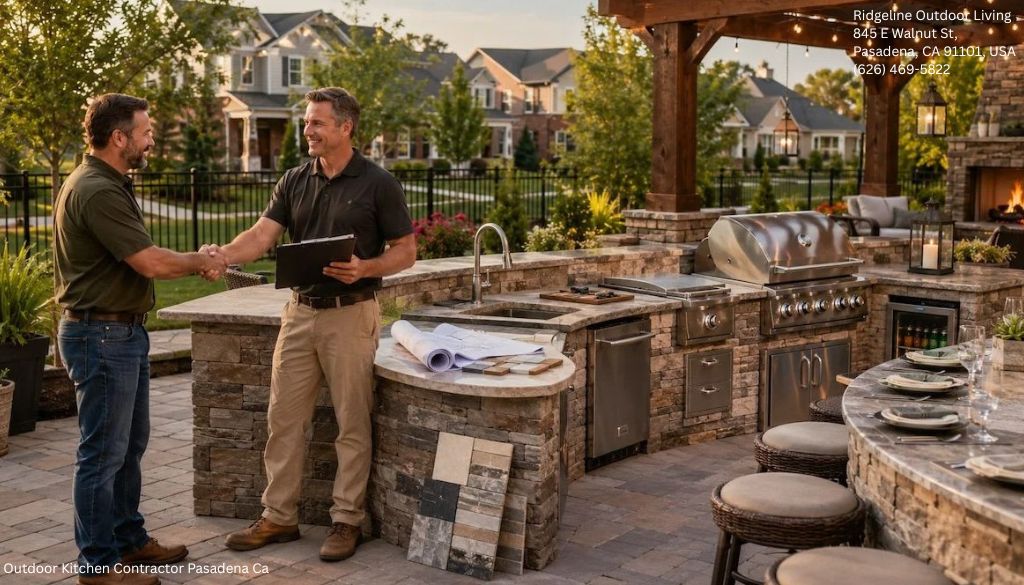
A strong contractor is also honest about trade-offs. If a material runs hot in full sun, they should say so. If your maintenance expectations do not match your plant wish list, they should say that too. Professional judgment is more valuable than easy agreement.
Common pitfalls that quietly ruin good backyards
Some problems are obvious, like bad drainage or cracked paving. Others show up more subtly, after the initial excitement fades. Here are a few of the quiet mistakes I see most often in Arcadia landscapes:
- Too much lawn for the climate and the household's actual use Planting species that outgrow the space within three to five years Underestimating the need for shade on western exposures Choosing hardscape without testing temperature, texture, and glare Spending heavily on features while neglecting lighting and irrigation
Each of these errors chips away at livability. A yard should not ask for constant correction after it is finished. If the design is sound, maintenance becomes stewardship rather than damage control.
A backyard that feels right for Arcadia
The most successful resort-style outdoor living spaces in Arcadia do not copy a catalog or a hotel. They borrow the best qualities of those places, comfort, privacy, polish, and escape, then adapt them to real family life and Southern California conditions.
That usually means a calm layout, durable materials, generous shade, and a planting strategy built around long-term water responsibility. It means knowing how to reduce outdoor water consumption without making the garden feel bare. It means understanding that luxury outdoor living spaces in Arcadia are defined as much by ease as by appearance.
When a backyard is done well, you notice it in small ways. The paving feels cool enough to cross in late afternoon. The seating stays occupied after sunset because the lighting is gentle and the fire feature is placed where people naturally gather. The planting softens the architecture without overwhelming it. The maintenance crew can move through the space efficiently, and the irrigation system supports the garden without waste. Everything works together.
That is the real benchmark. Not whether the space looks expensive for a week, but whether it keeps delivering comfort, beauty, and value for years.